
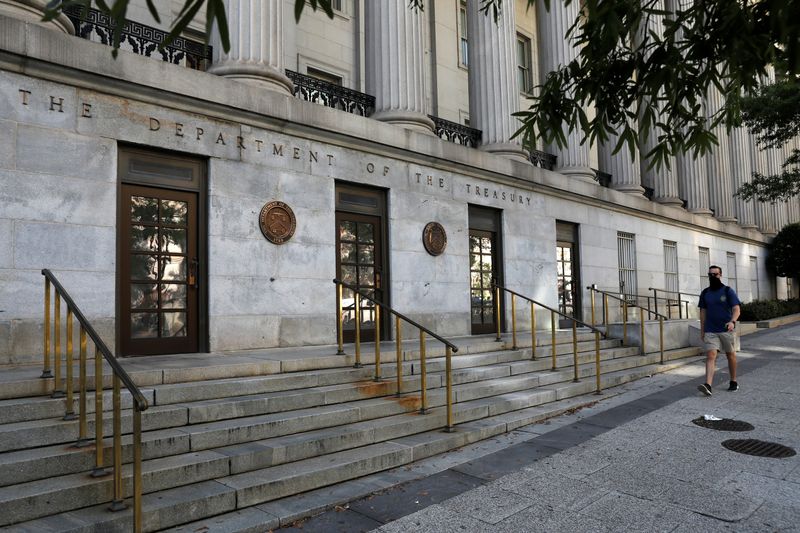
In a serious cybersecurity development, the U.S. Office of the Comptroller of the Currency (OCC) — a key financial regulator under the Department of the Treasury — has notified Congress of a significant security breach. The incident involved unauthorized access to sensitive internal emails and administrative accounts of the agency, raising major concerns over the cybersecurity posture of one of the nation’s top financial oversight bodies.
What Happened?
According to an official statement and multiple news sources, the breach was first discovered on February 11, 2025, when suspicious activity was detected within the OCC’s email systems. The following day, February 12, the agency confirmed that the unauthorized access had indeed occurred. As part of immediate response efforts, the OCC activated its incident response protocol, which included:
-
Disabling compromised accounts,
-
Terminating any unauthorized access,
-
Launching an internal investigation, and
-
Notifying the Cybersecurity and Infrastructure Security Agency (CISA).
A third-party cybersecurity firm was also hired to conduct an independent assessment of the attack.
What Was Compromised?
The attackers reportedly accessed a number of executive and employee email accounts, which may have included confidential information related to the health and operations of federally regulated financial institutions. While the full scope of the data breach has not yet been disclosed to the public, the OCC has stated that “sensitive supervisory information” may have been compromised.
This type of data — typically including bank financial reports, compliance records, and supervisory assessments — is highly confidential and could pose risks if exploited by malicious actors.
Response and Accountability
In a direct communication to Congress, Acting Comptroller of the Currency Rodney E. Hood acknowledged that the incident was the result of “long-standing structural and organizational deficiencies” within the OCC’s cybersecurity systems. He admitted that opportunities to enhance the agency’s digital defenses were missed over the years, allowing vulnerabilities to persist.
“We take this breach seriously. This is not just a failure of technology, but of leadership and risk management,” Hood stated.
As a result, the OCC has pledged to undertake a comprehensive review of all cybersecurity practices, protocols, and policies, including upgrading infrastructure, improving staff training, and ensuring better monitoring and prevention systems are in place.
Impact on the Financial Sector
Although the OCC emphasized that there is currently no evidence the breach affected the broader U.S. banking system or consumer accounts, industry experts are warning that this incident exposes critical weaknesses in the country’s regulatory cybersecurity framework.
Given that the OCC oversees all national banks and federal savings associations, any compromise of its systems could have wide-reaching implications. The breach is being closely monitored by other regulatory bodies, including the Federal Reserve and Federal Deposit Insurance Corporation (FDIC).
Growing Cybersecurity Risks
This event comes amid a global surge in cyberattacks targeting financial institutions, government agencies, and infrastructure. The financial sector, in particular, remains a high-value target for hackers due to the volume of sensitive data and the potential for disrupting national and global economies.
Experts believe that nation-state actors or sophisticated criminal networks could be behind the OCC breach, although no specific group has been publicly identified at this time.
Cybersecurity analysts are urging U.S. regulators and agencies to accelerate modernization of their IT systems and adopt zero-trust architectures, multifactor authentication, and continuous threat monitoring to prevent future incidents.
Conclusion
The OCC security breach is a wake-up call for U.S. financial regulators and highlights the urgent need to bolster cybersecurity at every level of government. With financial stability and public trust on the line, agencies must move quickly to address vulnerabilities and ensure the integrity of the systems that underpin the American financial system.
As investigations continue and reforms are implemented, this breach will likely remain a defining moment for how the U.S. addresses digital risk in the regulatory landscape.


