
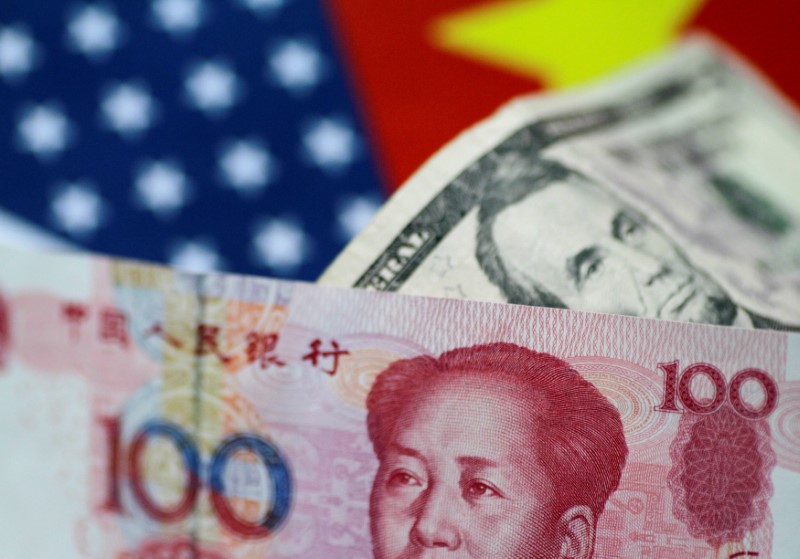
In response to mounting depreciation pressure on the yuan amid escalating U.S.-China trade tensions, the People’s Bank of China (PBOC) has instructed major state-owned banks to reduce their U.S. dollar purchases. This strategic move aims to stabilize the yuan, which has depreciated approximately 1.3% in April 2025, reaching 7.35 per dollar.
PBOC’s Measures to Support the Yuan
The PBOC’s directive includes:
- Limiting Dollar Purchases: State-owned banks are advised to refrain from buying U.S. dollars for their proprietary accounts.
- Enhancing Scrutiny of Client Transactions: Banks are instructed to intensify checks on clients’ dollar purchase orders to deter speculative trading. These measures are designed to curb the yuan’s depreciation without resorting to sharp devaluation, which could undermine market confidence and financial stability. A modest depreciation, however, is seen as potentially beneficial for exports.
Market Reactions and Broader Implications
Following the PBOC’s guidance, major state banks actively intervened in the onshore spot market by selling dollars and purchasing yuan, effectively slowing the currency’s decline.
This intervention reflects the central bank’s commitment to maintaining currency stability amid external pressures.
The yuan’s depreciation is largely attributed to significant tariffs imposed by the U.S., with duties on Chinese goods reaching up to 104%.
These tariffs have intensified financial market volatility and raised concerns about China’s export competitiveness.
Conclusion
The PBOC’s recent actions underscore its proactive approach to managing the yuan’s value in the face of external challenges. By directing state-owned banks to limit dollar purchases and scrutinize foreign exchange transactions, the central bank aims to balance supporting export competitiveness with ensuring overall financial stability.


